PET/CT imaging of the late-gestation fetal brain in pregnant rats: A proof-of-concept study
2026.02.18.
Torben D Pearson et al., Journal of Cerebral Blood Flow & Metabolism, 2025
Summary
This study shows that in vivo PET/CT imaging of the fetal rat brain is feasible and reliable for assessing molecular processes during early neurodevelopment. Fetal brain glucose metabolism could be clearly visualized and validated against post-mortem measurements. Pharmacological blockade of dopamine D2 receptors altered both glucose metabolism and dopamine receptor binding in the fetal brain, demonstrating sensitivity to drug effects. Overall, the findings support fetal PET imaging as a valuable translational model for studying brain development.
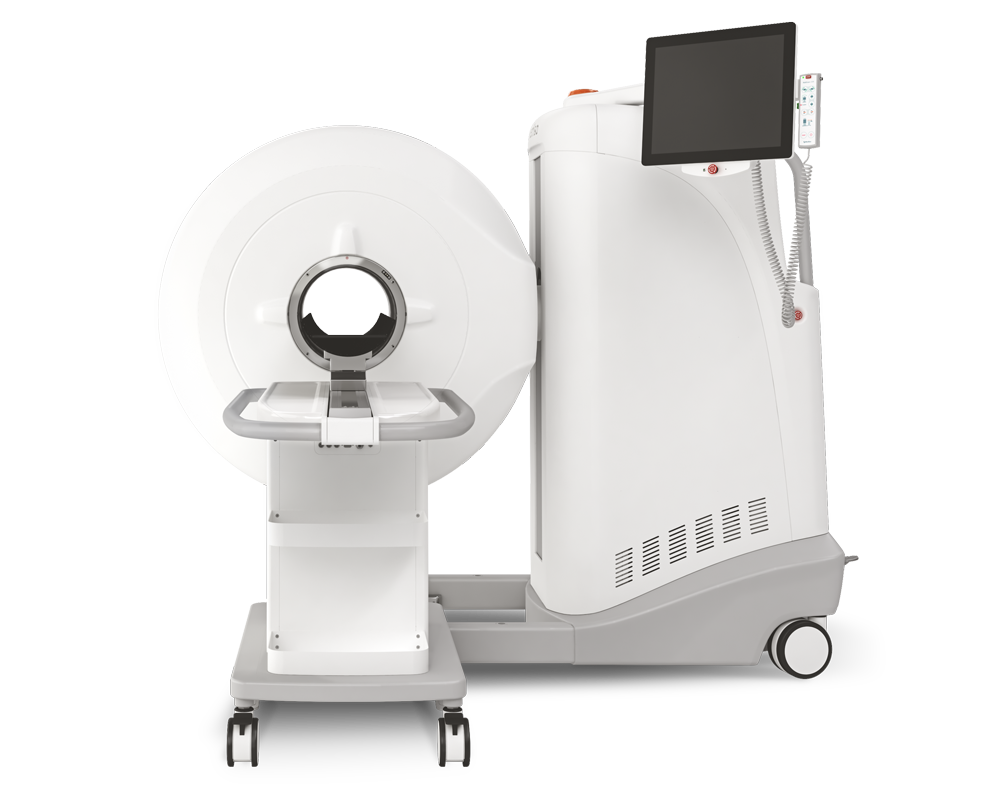
Results from MultiScan™ LFER PET/CT
- Fetal brain glucose uptake ([18F]FDG SUV) measured in vivo correlated strongly with ex vivo uptake
- Fetal brains had lower glucose metabolism than maternal brains, and this could be quantified with the PET/CT system
- Dopamine D2 receptor binding, [11C]raclopride SUVR, was reproducible measured across fetuses
- Haloperidol administration produced measurable reductions in both glucose metabolism and dopamine receptor binding in fetal brains, demonstrating sensitivity to pharmacological modulation

Figure 1. Time-averaged (0–90 min) [18F]FDG PET/CT images normalized by body weight and injected dose to SUV in a representative dam and fetal subject. Insert 1 (square): axial slice of uterus. Insert 2 (oval): sagittal slice of individual fetus and placenta. Arrows indicate reslicing to orientation. B: fetal brain; H: fetal heart; P: placenta; S: fetal spine; SUV: standardized uptake value.

Figure 2. [18F]FDG in vivo SUV in fetal brains is highly correlated with ex vivo SUV determined from post-mortem brains at the end of scan (y = 0.56x + 0.27, R2 = 0.90, n = 42). Markers (circle, square, diamond, star) correspond to fetuses from the same pregnant dam and colors correspond to baseline (gray) or haloperidol pretreatment (red) [18F]FDG scans.

Figure 4. Haloperidol pretreatment (0.5 mg/kg, IV) reduced [18F]FDG uptake in the maternal (n = 1) and fetal (n = 9) rat brain. SUV PET images were averaged between 0 and 90 min and overlaid on a standard MRI brain atlas with size scales (top row) at midsagittal slice.
W czym możemy pomóc?
Skontaktuj się z nami aby uzyskać informacje techniczne i / lub wsparcie dotyczące naszych produktów i usług.
Napisz do nas